
Introduction: A Long-Awaited Decision for Belgian Military Aviation
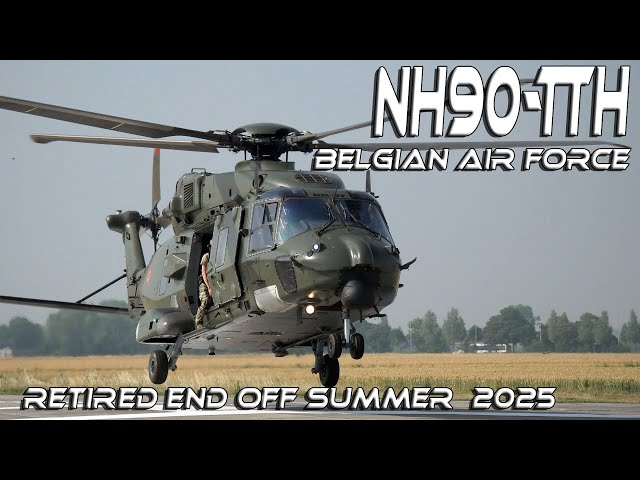
Critical Turning Point: After years of operational challenges, rising costs, and persistent technical issues, the Belgian Air Force has finally decided to retire its NH90 NFH Search and Rescue (SAR) helicopters. The move marks the end of a troubled chapter in Belgium’s rotary-wing aviation history and aligns the country with several other European nations that have scaled back or abandoned the NH90 program.
Table of Contents
The NH90 NFH (NATO Frigate Helicopter) variant was originally acquired to modernize Belgium’s maritime and search-and-rescue capabilities. However, instead of becoming a reliable backbone of SAR operations, the helicopters have been plagued by maintenance problems, low availability rates, and high operating costs, limiting their effectiveness in real-world missions.
This decision carries significant implications for Belgium’s defense policy, NATO interoperability, and the future of European military helicopter programs.
What Is the NH90 NFH Helicopter?
A Multinational European Defense Project
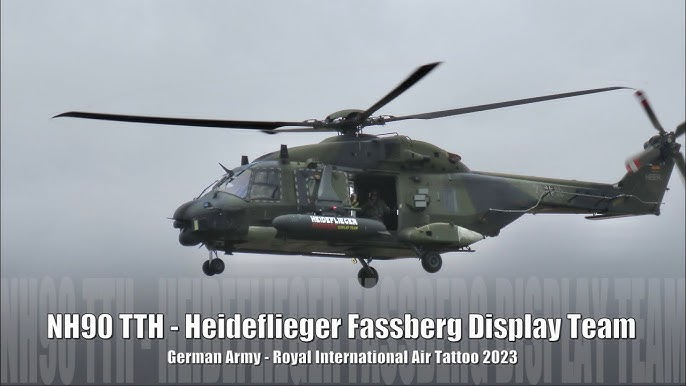
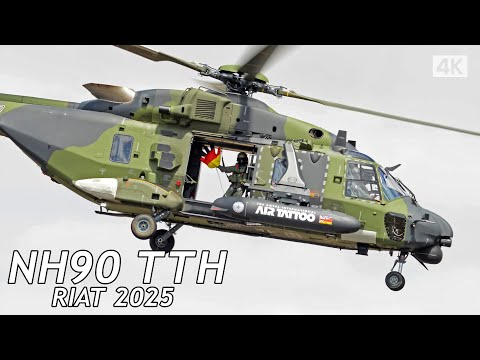
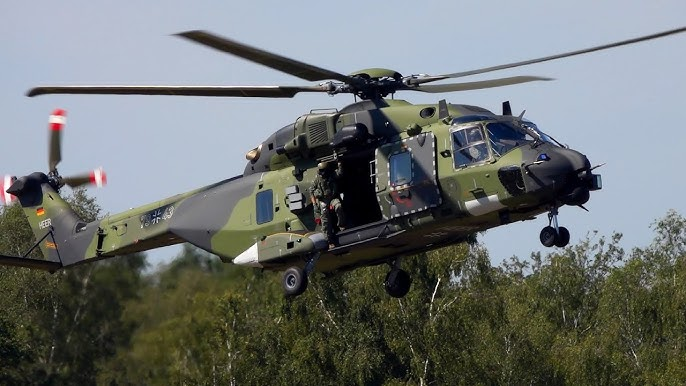
The NH90 is a medium-lift military helicopter developed by NHIndustries, a consortium involving Airbus Helicopters, Leonardo, and Fokker. It was designed as:
- A modern, modular helicopter
- Suitable for land and naval operations
- Fully interoperable with NATO forces
The NFH variant was specifically optimized for naval and maritime roles, including search and rescue.
Intended Capabilities of the NH90 NFH
The NH90 NFH was designed to perform:
- Maritime search and rescue (SAR)
- Anti-submarine warfare (ASW)
- Anti-surface warfare (ASuW)
- Transport and logistics missions
On paper, it offered advanced avionics, fly-by-wire controls, and cutting-edge sensors.
Belgium’s NH90 Program: High Expectations, Mixed Results
Acquisition and Initial Deployment
Belgium acquired the NH90 NFH to:
- Replace aging Sea King helicopters
- Modernize SAR and maritime operations
- Improve interoperability with NATO partners
The aircraft entered service with high expectations, particularly for long-range rescue missions over the North Sea.
Operational Reality Sets In
Soon after deployment, issues emerged:
- Low mission availability
- Frequent maintenance delays
- Spare parts shortages
- Complex logistics requirements
These problems significantly reduced the fleet’s operational readiness.
Persistent Problems With the NH90 NFH
Maintenance and Reliability Challenges
One of the most critical issues was maintenance complexity. The NH90 required:
- Extensive man-hours per flight hour
- Specialized maintenance infrastructure
- Long downtime for repairs
This proved unsustainable for a relatively small air force.
Low Availability Rates
Belgium consistently reported:
- Fewer helicopters available than planned
- Difficulty maintaining SAR coverage
- Dependence on backup arrangements
For a SAR platform, availability is non-negotiable—making this shortcoming particularly serious.
High Operating Costs
Operating the NH90 NFH turned out to be:
- Significantly more expensive than expected
- Costly in spare parts and upgrades
- Financially inefficient compared to alternatives
Budgetary pressures further amplified dissatisfaction with the platform.
Search and Rescue: A Mission That Demands Reliability
Why SAR Helicopters Must Be Dependable
SAR operations require:
- Immediate readiness
- High dispatch reliability
- Minimal maintenance downtime
Any delay can mean the difference between life and death.
NH90 NFH’s Incompatibility With SAR Demands
Despite its advanced design, the NH90 NFH:
- Struggled to meet urgent response timelines
- Required extensive pre-mission preparation
- Failed to consistently meet SAR readiness standards
This mismatch played a key role in Belgium’s decision.
Belgium Joins Other Countries Reassessing the NH90
A Pattern Across Europe
Belgium is not alone. Several countries have:
- Reduced NH90 fleet sizes
- Reassigned helicopters to limited roles
- Considered early retirement
This reflects broader concerns about the platform’s cost-benefit balance.
Lessons From Multinational Procurement

The NH90 experience highlights:
- The risks of complex multinational programs
- Challenges of one-size-fits-all designs
- The importance of tailoring platforms to specific missions
Strategic Reasons Behind Belgium’s Decision
Cost Efficiency and Budget Optimization
Belgium’s defense planners prioritized:
- More cost-effective solutions
- Platforms with lower life-cycle costs
- Predictable maintenance schedules
The NH90 no longer met these criteria.
Operational Readiness and NATO Commitments
Maintaining reliable SAR capability is essential for:
- National maritime safety
- NATO obligations
- Civil-military coordination
Retiring the NH90 allows Belgium to pursue more dependable alternatives.
What Comes Next: Replacement Options for SAR Missions
Interim Solutions
In the short term, Belgium may rely on:
- Alternative helicopter platforms
- Allied SAR cooperation
- Contracted civilian support
Ensuring uninterrupted SAR coverage remains a priority.
Potential Long-Term Replacements
Future options may include:
- Proven medium helicopters with lower operating costs
- Platforms already in service with allies
- Systems optimized specifically for SAR missions
Reliability and availability will drive selection decisions.
Impact on Belgian Military Aviation
A Shift Toward Pragmatism
The retirement signals:
- A move away from overly complex systems
- Greater emphasis on mission suitability
- Preference for proven, reliable platforms
This shift could influence future acquisitions.
Effects on Training and Logistics
Retiring the NH90 will:
- Simplify training pipelines
- Reduce logistical burdens
- Allow better resource allocation
This improves overall force efficiency.
Implications for the European Defense Industry
Questions About Program Sustainability
The NH90 case raises questions about:
- Cost control in multinational projects
- Long-term support commitments
- Balancing innovation with practicality
European defense programs may face increased scrutiny.
Pressure on Manufacturers
Manufacturers may need to:
- Improve support and maintenance models
- Address customer concerns faster
- Offer more flexible upgrade paths
Customer confidence is critical for future exports.
NATO and Interoperability Considerations
Maintaining Alliance Standards
Belgium’s decision does not undermine NATO interoperability. Instead, it:
- Encourages realistic capability planning
- Supports reliable mission contributions
- Reinforces alliance readiness
Effective contribution matters more than platform uniformity.
Coordination With Neighboring Countries
Belgium is expected to:
- Coordinate SAR coverage with allies
- Participate in joint rescue frameworks
- Maintain shared maritime safety responsibilities
Broader Lessons From the NH90 Experience
Technology vs. Practicality
The NH90 shows that:
- Advanced technology alone is not enough
- Simplicity and reliability matter
- Operational context must guide procurement
The Cost of Over-Engineering
Highly complex systems can:
- Increase maintenance demands
- Reduce availability
- Strain smaller defense budgets
This lesson resonates beyond helicopters.
Political and Public Reactions
Defense Accountability
The decision reflects:
- Growing demand for accountability in defense spending
- Willingness to acknowledge program shortcomings
- Focus on taxpayer value
Public Safety Concerns
SAR missions are closely tied to civilian safety. Retiring an unreliable platform helps:
- Restore public confidence
- Improve emergency response effectiveness
Could the NH90 Have Been Saved?
Potential Upgrades and Improvements
While upgrades were possible, they would have:
- Required significant additional investment
- Taken years to implement
- Offered no guaranteed improvement
Belgium concluded the effort was not justified.
A Case of Misaligned Expectations
The NH90 may perform better in:
- Less time-critical roles
- Larger fleets with deeper support structures
For Belgium’s SAR mission, it was simply not the right fit.
Conclusion: A Necessary but Difficult Decision
The Belgian Air Force’s decision to retire its problematic NH90 NFH SAR helicopters marks the end of a challenging program and the beginning of a more pragmatic approach to military aviation. While the NH90 promised cutting-edge capability, real-world operations revealed serious limitations in reliability, availability, and cost efficiency.
By stepping away from the platform, Belgium prioritizes mission readiness, public safety, and fiscal responsibility—key principles for any modern air force. The move also serves as a cautionary tale for future defense procurement, reminding policymakers that operational effectiveness must always outweigh technological ambition.
Why is the Belgian Air Force retiring its NH90 NFH SAR helicopters?
The Belgian Air Force is retiring the NH90 NFH SAR helicopters due to persistent technical issues, low availability rates, high maintenance complexity, and rising operational costs. These problems limited the helicopters’ effectiveness in time-critical search and rescue missions.
What does NH90 NFH stand for?
NH90 NFH stands for NATO Frigate Helicopter, a naval variant of the NH90 designed for maritime operations such as search and rescue (SAR), anti-submarine warfare, and surface surveillance.
When will Belgium officially retire the NH90 NFH helicopters?
The retirement process is expected to begin before 2026, with a phased withdrawal to ensure continuous SAR coverage while replacement or interim solutions are introduced.