
Introduction: A New Era for Canada’s Undersea Warfare Capability
National Security Boost: ThyssenKrupp Marine Systems (TKMS) has officially begun forming strategic partnerships with Canadian companies as part of its effort to equip the Royal Canadian Navy (RCN) with the advanced Type 212CD (Common Design) submarine. This move marks a critical step in Canada’s long-term plan to modernize its aging submarine fleet and restore a credible, sovereign undersea warfare capability.
Table of Contents
The Type 212CD program is more than a platform acquisition—it represents a comprehensive industrial, technological, and operational transformation. By involving local Canadian firms early in the process, TKMS aims to ensure industrial participation, technology transfer, and long-term sustainment capacity within Canada.
Why Canada Needs a New Submarine Fleet
Aging Victoria-Class Submarines
The Royal Canadian Navy currently operates Victoria-class diesel-electric submarines, which have faced persistent challenges, including:
- High maintenance demands
- Limited availability
- Aging systems and components
- Increasing sustainment costs
As these submarines approach the end of their service lives, Canada faces a growing capability gap in undersea operations.
Strategic Importance of Submarines for Canada
Submarines are essential for:
- Arctic sovereignty and surveillance
- Atlantic and Pacific maritime security
- Intelligence, surveillance, and reconnaissance (ISR)
- NATO and allied operations
A modern submarine fleet is critical to protecting Canada’s vast maritime approaches.
Overview of the Type 212CD Submarine
What Is the Type 212CD?
The Type 212CD (Common Design) is a next-generation diesel-electric submarine jointly developed by Germany and Norway, building on the highly successful Type 212A design.
Key features include:
- Air-Independent Propulsion (AIP)
- Extremely low acoustic signature
- Advanced combat management systems
- Enhanced endurance and stealth
A Proven Lineage With Modern Enhancements
The Type 212 family is widely regarded as one of the world’s most capable conventional submarines. The 212CD introduces:
- Larger hull for increased endurance
- Improved sensors and processing power
- Advanced lithium-ion battery integration (future-ready)
- Enhanced survivability in contested environments
TKMS’s Partnership Strategy in Canada
Engaging Canadian Industry From the Start
TKMS has emphasized early engagement with:
- Canadian shipbuilders
- Defense electronics firms
- Software and systems integrators
- Maintenance and sustainment providers
This approach ensures Canadian industry plays a central role throughout the submarine’s lifecycle.
Long-Term Industrial Benefits for Canada
The partnership aims to deliver:
- High-skilled job creation
- Technology transfer
- Domestic sustainment and upgrade capability
- Strengthened naval industrial base
Rather than a simple off-the-shelf purchase, the program supports long-term sovereignty.
Technology Transfer and Canadian Content
Building Domestic Expertise
A key element of TKMS’s proposal is knowledge transfer, allowing Canadian companies to:
- Maintain and upgrade submarines domestically
- Support software and combat system evolution
- Reduce reliance on foreign suppliers
This approach aligns with Canada’s defense industrial policies.
Integration of Canadian Systems
The Type 212CD can be customized to integrate:
- Canadian-developed sensors
- Indigenous command-and-control software
- NATO-compatible weapons systems
This flexibility ensures interoperability and national control.
Operational Advantages of the Type 212CD for the Royal Canadian Navy
Superior Stealth and Survivability
The Type 212CD is designed for:
- Extremely quiet operation
- Reduced magnetic and infrared signatures
- Advanced counter-detection measures
These features allow the submarine to operate undetected in high-threat environments.
Air-Independent Propulsion (AIP)
AIP technology enables the submarine to:
- Remain submerged for weeks
- Reduce snorkeling frequency
- Increase operational stealth
This is a critical advantage in modern undersea warfare.
Arctic and Cold-Water Operations
The design is well-suited for:
- Cold-water performance
- North Atlantic conditions
- Potential Arctic operations
This makes it particularly relevant for Canada’s unique geographic needs.
Interoperability With NATO Allies
Common Design, Shared Capabilities
The “CD” in Type 212CD reflects its common design philosophy, enabling:
- Shared logistics and training
- Joint operations with Germany and Norway
- Reduced development risk
Strengthening NATO Undersea Deterrence
A modern Canadian submarine fleet enhances:
- NATO’s undersea awareness
- Atlantic sea lane security
- Collective deterrence against peer adversaries
Sustainment and Lifecycle Support in Canada
Domestic Maintenance and Overhaul
TKMS’s plan includes establishing:
- Canadian-based maintenance facilities
- Local supply chains for spare parts
- Long-term sustainment contracts
This reduces downtime and increases fleet readiness.
Predictable Lifecycle Costs
Modern design and digital maintenance tools help:
- Lower operating costs
- Improve availability
- Enable predictive maintenance
These factors are crucial for long-term affordability.
Economic and Strategic Impact for Canada
Job Creation and Skills Development
The program is expected to:
- Create thousands of skilled jobs
- Develop expertise in submarine technologies
- Support STEM education and training
Strengthening Canada’s Defense Industry
Participation in a cutting-edge submarine program positions Canada as:
- A high-end naval industrial partner
- A contributor to global submarine supply chains
- A leader in undersea sustainment capabilities
Competition in Canada’s Submarine Replacement Program
Other Contenders
Canada’s submarine program has attracted interest from:
- European manufacturers
- Asian shipbuilders
- Hybrid industrial consortiums
Each proposal emphasizes different strengths in cost, capability, and industrial participation.
TKMS’s Competitive Advantage
TKMS highlights:
- Proven operational submarines
- NATO alignment
- Strong industrial partnership model
- Low technical risk
This makes the Type 212CD a strong contender.
Strategic Implications for North American Security
Enhancing Maritime Domain Awareness
New submarines will:
- Improve intelligence collection
- Strengthen undersea surveillance
- Support joint operations with the U.S. Navy
Arctic Sovereignty and Deterrence
A modern submarine fleet reinforces:
- Canada’s Arctic presence
- Deterrence against unauthorized activity
- Control of strategic sea routes
Challenges and Considerations
Cost and Procurement Timelines
Submarine programs are complex and require:
- Long-term political commitment
- Stable funding
- Careful project management
Delays could impact operational readiness.
Training and Crew Transition
Introducing new submarines requires:
- Extensive crew training
- Simulator development
- Doctrine and operational updates
The Road Ahead for the Type 212CD in Canada
Next Steps in the Partnership
Upcoming milestones include:
- Formal industrial agreements
- Detailed design customization
- Selection of Canadian suppliers
- Government evaluation and approval
A Transformational Opportunity
If selected, the Type 212CD program would represent:
- The largest naval modernization in decades
- A generational leap in undersea capability
- A long-term investment in sovereignty and security
Conclusion: A Strategic Partnership Beneath the Waves
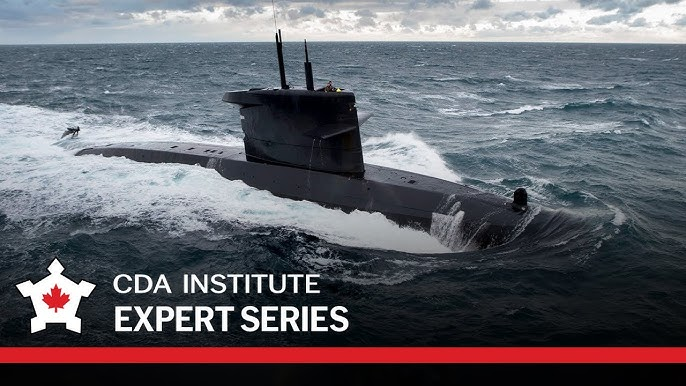
TKMS’s decision to partner with Canadian companies to equip the Royal Canadian Navy with the Type 212CD submarine signals a serious, long-term commitment to Canada’s defense and industrial ecosystem. More than a submarine acquisition, the program offers technological sovereignty, industrial growth, and enhanced national security.
As Canada looks to secure its maritime future in an increasingly contested world, the Type Introduction: A New Era for Canada’s Undersea Warfare Capability
ThyssenKrupp Marine Systems (TKMS) has officially begun forming strategic partnerships with Canadian companies as part of its effort to equip the Royal Canadian Navy (RCN) with the advanced Type 212CD (Common Design) submarine. This move marks a critical step in Canada’s long-term plan to modernize its aging submarine fleet and restore a credible, sovereign undersea warfare capability.
What is the Type 212CD submarine?
The Type 212CD (Common Design) is a next-generation diesel-electric submarine developed by ThyssenKrupp Marine Systems (TKMS) for modern undersea warfare. It features air-independent propulsion (AIP), extreme stealth, and advanced combat systems, making it one of the most capable conventional submarines in the world.
Why is Canada considering the Type 212CD submarine?
Canada is seeking to replace its aging Victoria-class submarines with a modern, reliable platform that can operate in Atlantic, Pacific, and Arctic waters while remaining interoperable with NATO allies.
Is the Type 212CD suitable for Arctic operations?
Yes. The submarine is designed for cold-water environments, making it well-suited for operations in the North Atlantic and potentially the Arctic, supporting Canada’s sovereignty missions.