
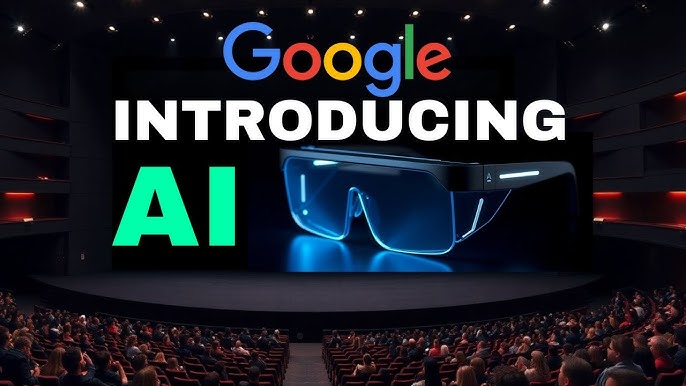
Google is once again preparing to redefine the future of wearable technology with its upcoming Google AI Smart Glasses. After years of research, AI breakthroughs, and lessons learned from earlier wearable experiments, Google is expected to introduce a new generation of smart glasses powered by advanced artificial intelligence, augmented reality (AR), and real-time computing.
Table of Contents
- Introduction: The Rise of Google AI Smart Glasses
- What Are Google AI Smart Glasses?
- Google AI Smart Glasses Expected Launch Date
- Design and Build: Lightweight, Stylish, and Wearable
- Display Technology and Visual Experience
- AI at the Core: Gemini and Google Intelligence
- Real-Time Translation and Communication Features
- Navigation and Location-Based Assistance
- Camera and Visual Intelligence Capabilities
- Voice Control and Hands-Free Interaction
- Productivity and Everyday Use Cases
- Health, Accessibility, and Safety Features
- Battery Life and Power Management
- Connectivity and Device Compatibility
- Privacy, Security, and Data Protection
- Google AI Smart Glasses Expected Price
- Google AI Smart Glasses vs Competitors
- Who Should Buy Google AI Smart Glasses?
- Should You Wait for Google AI Smart Glasses?
- Future of AI Smart Glasses
- Final Thoughts
Unlike traditional smart glasses, Google AI Smart Glasses are expected to focus heavily on AI-driven assistance, hands-free interaction, real-time translation, navigation, productivity, and everyday usability. With the rapid growth of generative AI and on-device intelligence, these smart glasses could become one of the most important consumer tech products of the next decade.
In this article, we cover everything you need to know about Google AI Smart Glasses — including expected launch date, design, features, specifications, AI capabilities, price, use cases, and whether they are worth waiting for.
What Are Google AI Smart Glasses?
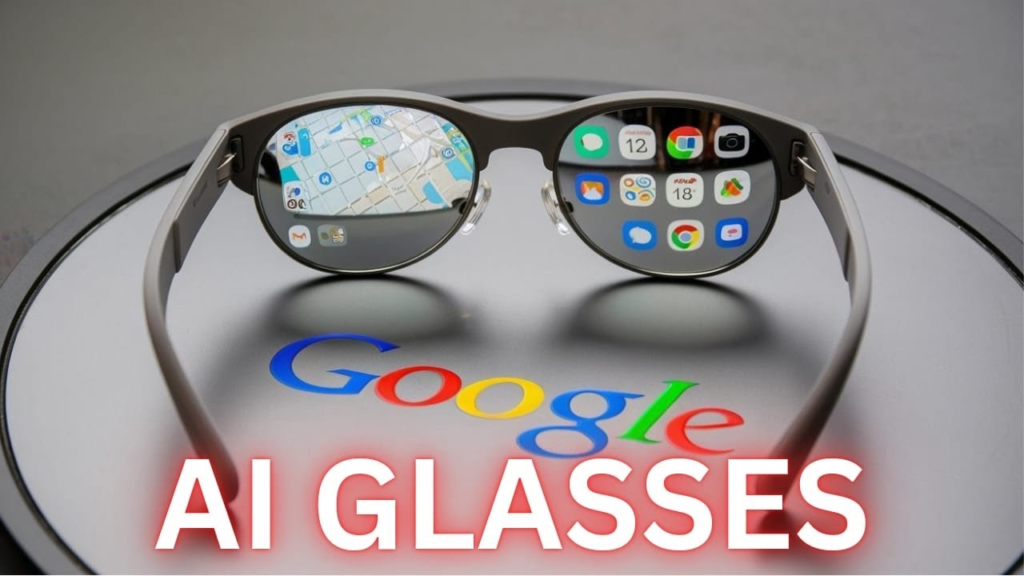
Google AI Smart Glasses are expected to be wearable smart eyewear that combines:
- Artificial intelligence
- Augmented reality (AR)
- Voice assistance
- Real-time information overlays
Unlike VR headsets, smart glasses are designed for all-day wear, blending digital information seamlessly into the real world without isolating users.
Google’s new smart glasses are expected to leverage:
- Google AI models
- Google Assistant
- Gemini AI
- Cloud and on-device processing
The goal is to make technology invisible, intuitive, and instantly helpful.
Google AI Smart Glasses Expected Launch Date
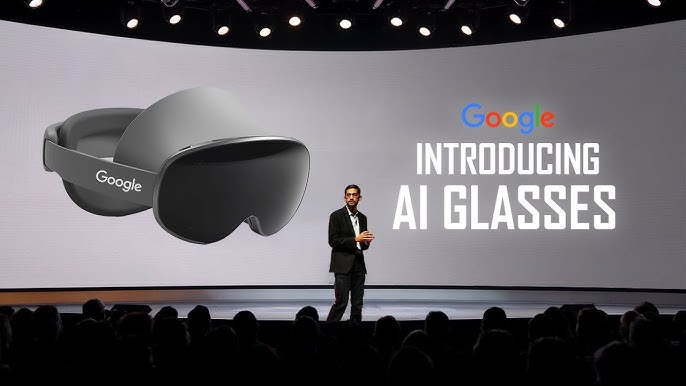
Google has not officially confirmed a release date, but based on industry reports and Google’s AI roadmap, the Google AI Smart Glasses launch date is expected in 2026.
Expected Launch Timeline
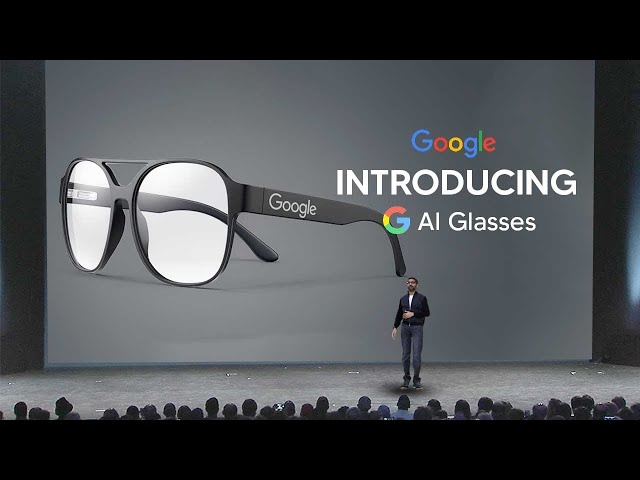
- Announcement: Mid to late 2026
- Event: Google I/O or a dedicated hardware event
- Initial availability: Select markets first
Google is likely to showcase the glasses as part of its broader AI ecosystem, alongside Android, Pixel devices, and Gemini AI.
Design and Build: Lightweight, Stylish, and Practical
One of the biggest challenges with smart glasses has always been design, and Google is expected to prioritize comfort and style this time.
Expected Design Highlights
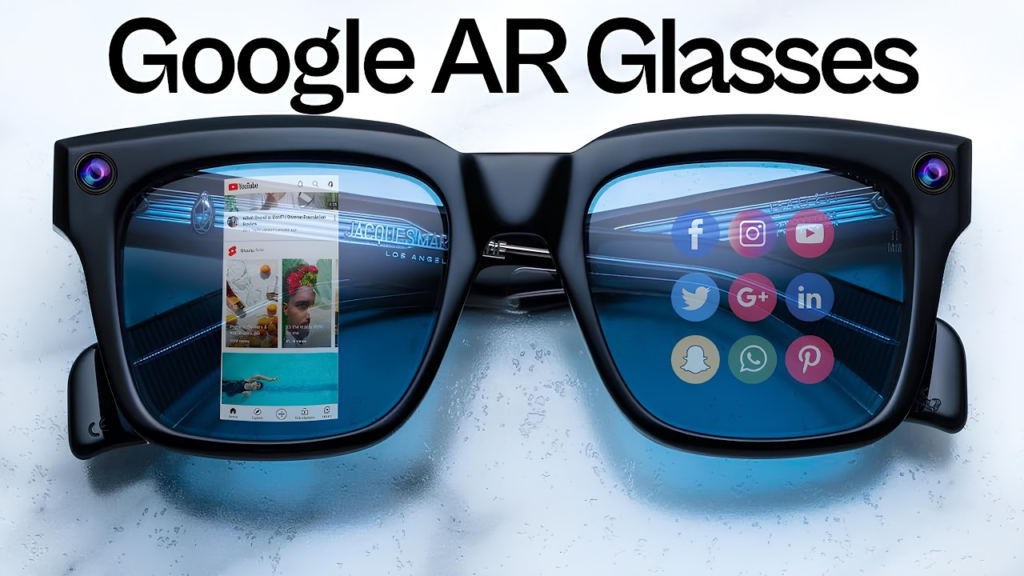
- Lightweight frame suitable for daily wear
- Normal-looking glasses design
- Multiple frame styles and sizes
- Minimal visible hardware
- Prescription lens support
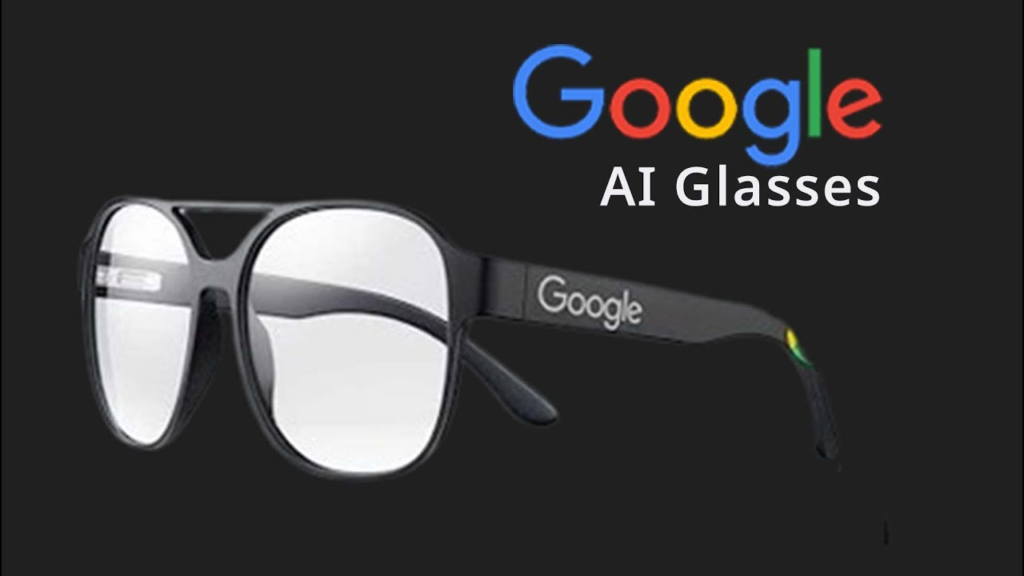
Unlike bulky AR headsets, Google AI Smart Glasses are expected to look almost identical to regular eyewear, making them socially acceptable and comfortable.
Display Technology: Subtle Yet Powerful
The display system is expected to be discreet but functional, delivering useful information without overwhelming the user.
Expected Display Features
- Micro-LED or waveguide display
- Information displayed in the corner of vision
- High clarity with low power consumption
- Adjustable brightness for indoor and outdoor use
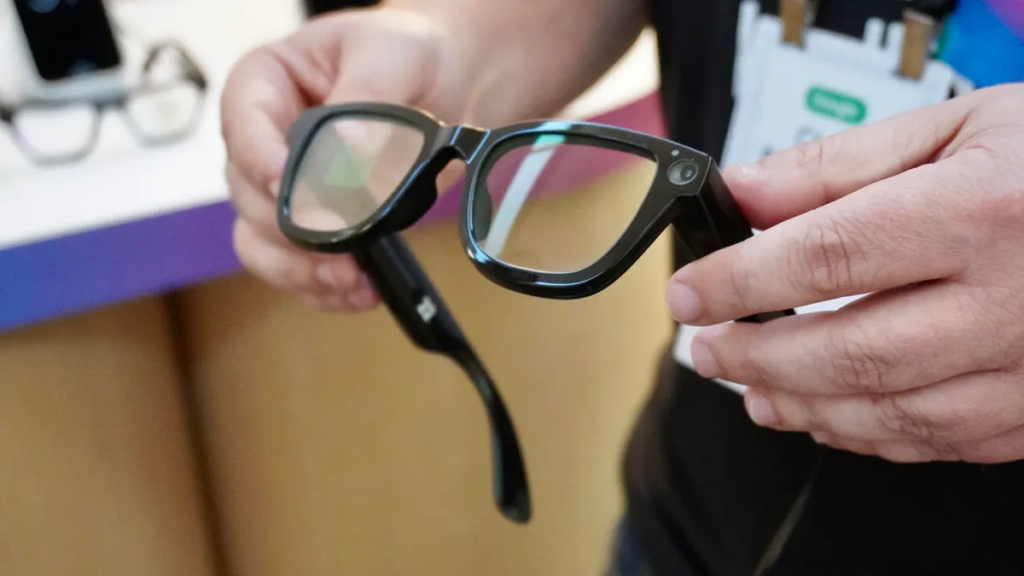
Instead of full AR worlds, Google will likely focus on contextual overlays such as text, navigation arrows, and notifications.
AI at the Core: Gemini and Google Intelligence
Artificial intelligence is the heart of Google AI Smart Glasses. The device is expected to be deeply integrated with Google Gemini AI, making it far more powerful than previous smart glasses.
Key AI Capabilities
- Real-time voice interaction
- Context-aware assistance
- Predictive suggestions
- Visual recognition
- Language understanding
The glasses are expected to understand what you see, hear, and ask — and respond instantly.
Real-Time Translation and Communication
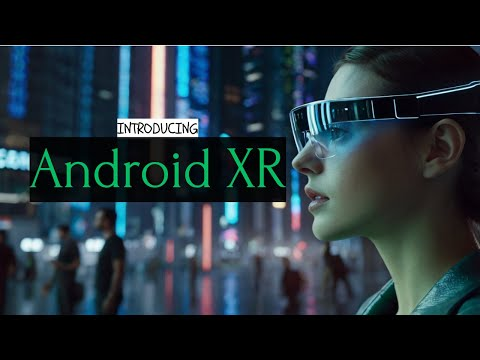
One of the most exciting features of Google AI Smart Glasses is expected to be real-time language translation.
Expected Translation Features
- Live subtitle translation during conversations
- Multi-language support
- Offline translation (limited languages)
- Voice-to-text and text-to-voice
This could make Google AI Smart Glasses extremely useful for travelers, students, and professionals working in global environments.
Navigation and Location-Based Assistance
Google Maps integration is expected to be a major advantage.
Navigation Features
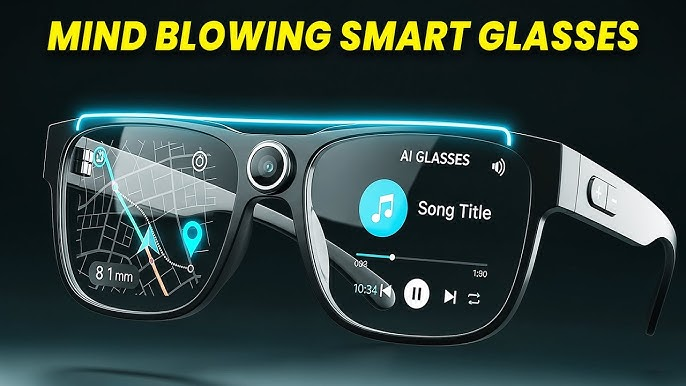
- Turn-by-turn directions displayed in view
- AR arrows over real streets
- Nearby place suggestions
- Public transport guidance
Instead of looking at your phone, directions will appear naturally in front of you, improving safety and convenience.
Camera and Visual Intelligence
Google AI Smart Glasses are expected to include a small camera designed for AI recognition rather than photography.
Camera-Powered Features
- Object recognition
- Landmark identification
- Text scanning and translation
- Product information lookup
Privacy is expected to be a major focus, with clear indicators when the camera is active.
Voice Control and Hands-Free Operation
Hands-free interaction is a key benefit of smart glasses.
Voice Features
- “Hey Google” voice activation
- Natural language commands
- AI-powered conversational responses
- Smart reminders and alerts
This makes the glasses useful while walking, driving (navigation only), cooking, or working.
Productivity and Daily Use Features
Google AI Smart Glasses are expected to help users stay productive without distractions.
Productivity Tools
- Calendar reminders
- Message previews
- Call notifications
- Task suggestions
- Note dictation
The idea is to reduce screen time while increasing efficiency.
Health, Accessibility, and Safety Features
Google may include features designed for accessibility and safety.
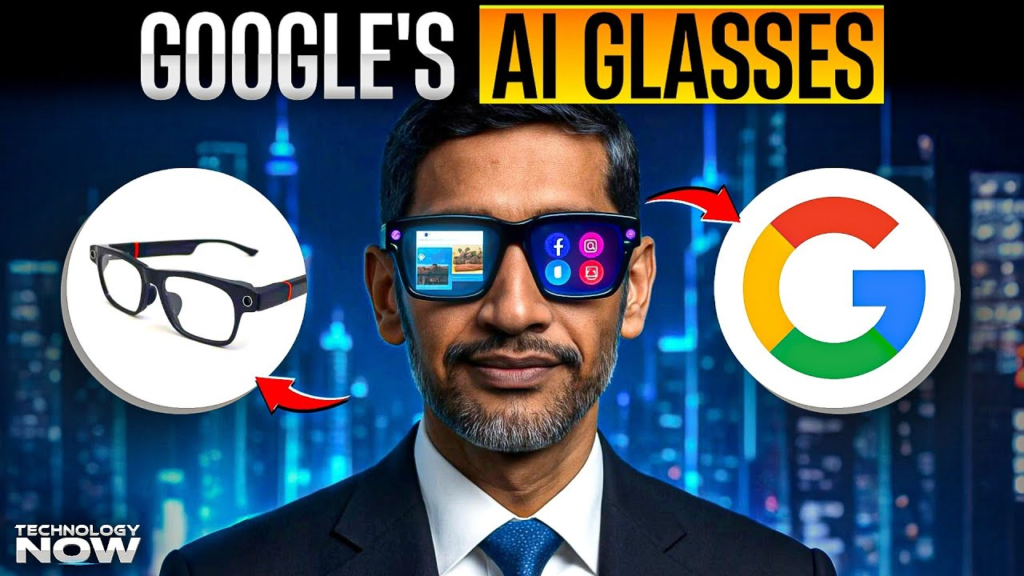
Expected Accessibility Features
- Live captions for hearing assistance
- Visual descriptions for low-vision users
- Voice-guided prompts
Safety Use Cases
- Navigation awareness
- Emergency alerts
- Context-based warnings
Battery Life and Power Management
Battery life is crucial for wearable devices.
Expected Battery Performance
- All-day usage on a single charge
- Efficient AI processing
- Charging via USB-C or magnetic connector
- Possible charging case support
Google is expected to balance performance with efficiency using on-device AI processing.
Connectivity and Compatibility
Google AI Smart Glasses are expected to work closely with smartphones.
Connectivity Options
- Bluetooth
- Wi-Fi
- Smartphone pairing (Android focus)
- Cloud sync via Google account
Android users will likely get the best experience, though limited iOS support may also be available.
Privacy and Security Considerations
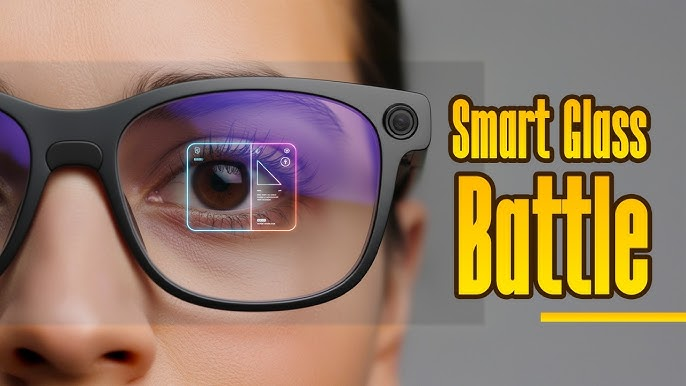
Privacy is a major concern with smart glasses, and Google is expected to address it seriously.
Privacy Features
- Visible camera indicator
- On-device AI processing
- User-controlled data permissions
- Clear recording notifications
Google will likely emphasize transparency to gain user trust.
Google AI Smart Glasses Expected Price
The Google AI Smart Glasses price is expected to be in the premium wearable category, but more affordable than large AR headsets.
Expected Price Range
- Entry price: Mid-premium segment
- Higher pricing for advanced models
- Pricing may vary by region
Google may also offer different frame and lens options at additional cost.
Google AI Smart Glasses vs Competitors
Google AI Smart Glasses are expected to compete with:
- Meta smart glasses
- Apple’s future smart eyewear
- Other AI-powered wearables
Google’s Key Advantages
- Best-in-class AI
- Google Search integration
- Google Maps dominance
- Android ecosystem strength
Who Should Buy Google AI Smart Glasses?
These smart glasses could be ideal for:
- Travelers
- Professionals
- Students
- Tech enthusiasts
- Accessibility users
- People who want hands-free AI assistance
Should You Wait for Google AI Smart Glasses?
You should consider waiting if you want:
- Future-ready AI technology
- Hands-free productivity
- Real-time translation
- Smart navigation without a phone
Google AI Smart Glasses could represent the next evolution of personal computing.
Future of AI Smart Glasses

Google’s smart glasses could be the beginning of a new era where:
- Screens become optional
- AI becomes ambient
- Technology blends into daily life
This could eventually replace many smartphone interactions.
Final Thoughts
The Google AI Smart Glasses are shaping up to be one of the most exciting and transformative tech products expected in the coming years. With a strong focus on AI intelligence, real-time assistance, privacy, and usability, Google aims to make smart glasses practical for everyday life.
While official details are still limited, the vision is clear: AI that works for you, without you having to look at a screen.