



Introduction to Apple AR/VR Devices

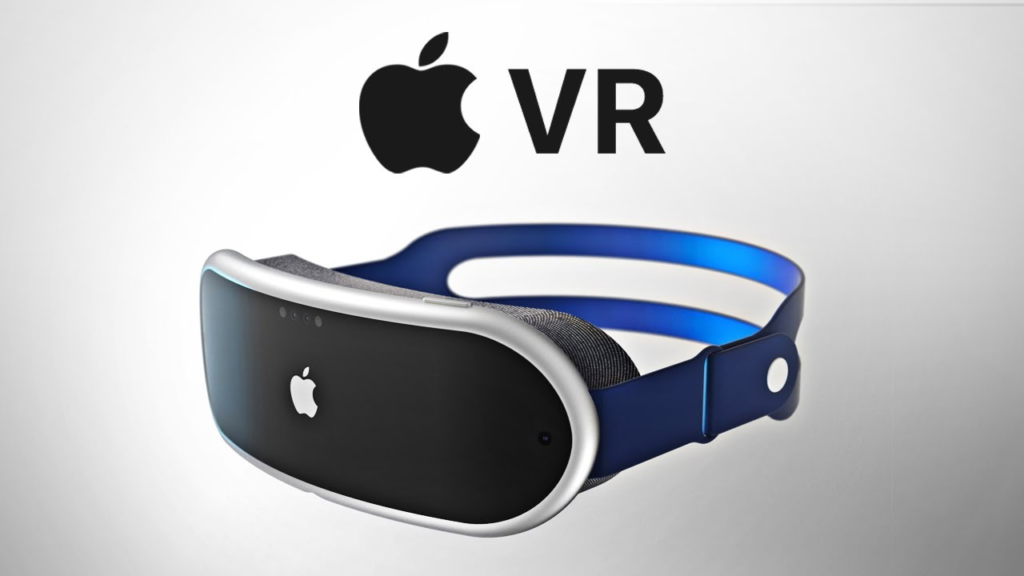
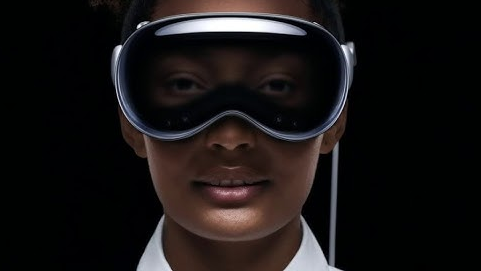
Apple has a long history of redefining technology categories—from smartphones and tablets to wearables and silicon innovation. With its entry into AR/VR devices, Apple is once again aiming to reshape how people interact with digital content. Rather than positioning its products as simple virtual reality headsets, Apple frames its AR/VR devices as tools for spatial computing, blending digital content seamlessly with the real world.
Table of Contents
Apple AR/VR devices represent a convergence of augmented reality (AR), virtual reality (VR), and mixed reality (MR), powered by custom silicon, advanced sensors, and deep software integration. These devices are designed not only for entertainment but also for productivity, communication, education, and professional workflows.
This article explores Apple’s AR/VR strategy, device capabilities, underlying technology, use cases, ecosystem integration, and how Apple AR/VR devices could define the future of immersive computing.
Understanding AR, VR, and Mixed Reality in Apple’s Vision
What Is Augmented Reality (AR)?
Augmented reality overlays digital information—such as images, text, or 3D objects—onto the real world. Apple has invested in AR for years through:
- ARKit
- LiDAR-equipped iPhones and iPads
- AR-enabled apps and games
AR focuses on enhancing reality rather than replacing it.
What Is Virtual Reality (VR)?
Virtual reality creates a fully immersive digital environment, isolating users from the physical world. VR is commonly used for:
- Gaming
- Simulations
- Training
- Immersive media experiences
Apple’s Mixed Reality Approach
Apple AR/VR devices emphasize mixed reality, allowing users to transition fluidly between AR and VR. This flexible approach aligns with Apple’s broader goal of making immersive technology practical, intuitive, and socially acceptable.
Apple’s Entry into the AR/VR Market
A Long-Term Strategy, Not a One-Off Product
Unlike competitors that rushed early VR products to market, Apple took a deliberate, long-term approach. Years of research in:
- Display technology
- Sensors and cameras
- Custom chips
- Software frameworks
have culminated in Apple’s AR/VR devices.
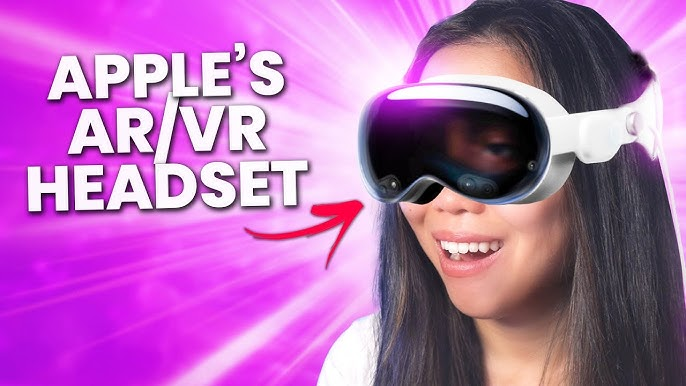
Focus on Spatial Computing
Apple avoids positioning its devices purely as “headsets.” Instead, it introduces the concept of spatial computing, where apps and content exist in a 3D space around the user, responding naturally to movement, gestures, and voice.
Key Hardware Technologies in Apple AR/VR Devices
Advanced Display Systems
Apple AR/VR devices are expected to feature:
- Ultra-high-resolution displays
- Micro-OLED or similar advanced panel technology
- Exceptional pixel density for sharp visuals
High display quality is essential to reduce eye strain and create a realistic immersive experience.
Sensors, Cameras, and LiDAR
Apple integrates a sophisticated array of:
- Cameras for environment tracking
- Depth sensors and LiDAR
- Eye-tracking and facial-tracking systems
These sensors enable precise spatial awareness and realistic interaction with digital content.
Apple Silicon Powering AR/VR
Custom Apple silicon plays a critical role in Apple AR/VR devices. Benefits include:
- High-performance graphics rendering
- Low power consumption
- Advanced machine learning capabilities
This ensures smooth performance without sacrificing battery life.
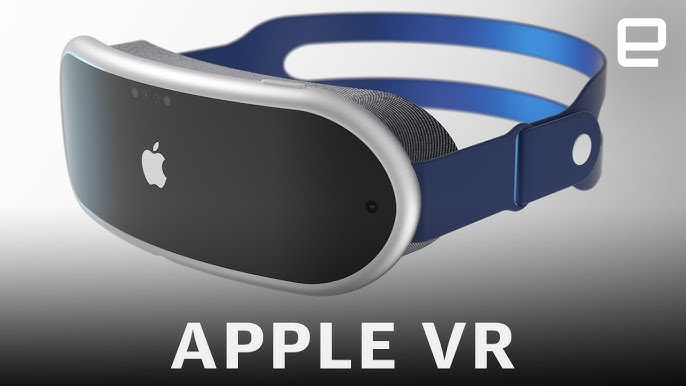
Software and Operating System for Apple AR/VR Devices
A Dedicated Spatial Operating System
Apple AR/VR devices run on a dedicated operating system designed specifically for spatial computing. Key features include:
- 3D user interfaces
- Window-based apps in virtual space
- Seamless transitions between AR and VR modes
App Ecosystem and Developer Support
Apple leverages its massive developer ecosystem by enabling:
- iOS and iPadOS app compatibility
- ARKit and RealityKit development tools
- Familiar design principles adapted to 3D environments
This approach accelerates content availability and user adoption.
User Interaction and Controls
Eye Tracking and Hand Gestures
Instead of traditional controllers, Apple AR/VR devices emphasize:
- Eye tracking for selection
- Hand gestures for navigation
- Natural interaction models
This reduces friction and makes immersive computing more intuitive.
Voice Control and Siri Integration
Voice commands play an important role, allowing users to:
- Launch apps
- Control settings
- Interact with content hands-free
This reinforces Apple’s accessibility-first design philosophy.
Use Cases for Apple AR/VR Devices
Entertainment and Media Consumption
Apple AR/VR devices offer immersive experiences for:
- Movies and TV shows on virtual cinema screens
- Spatial audio experiences
- Interactive storytelling
Users can enjoy content in a distraction-free, customizable environment.
Gaming and Immersive Experiences
Gaming benefits from:
- 360-degree environments
- Realistic physics and interactions
- Mixed reality gameplay blending real and virtual worlds
Apple’s focus on performance and visuals elevates immersive gaming experiences.
Productivity and Workflows
One of Apple’s biggest differentiators is productivity. AR/VR devices allow:
- Multiple virtual displays
- Immersive collaboration
- Spatial organization of workspaces
This transforms how professionals work remotely or in creative fields.
Apple AR/VR Devices in Professional and Enterprise Use
Design, Engineering, and Visualization
Professionals can use Apple AR/VR devices for:
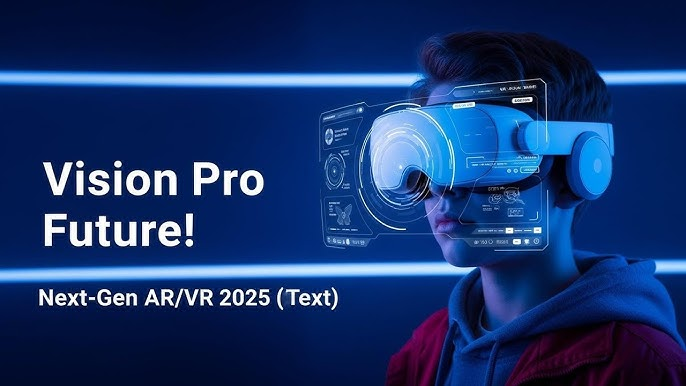
- 3D modeling
- Architectural visualization
- Product design and prototyping
Spatial computing enhances accuracy and creativity.
Education and Training
In education and enterprise training, Apple AR/VR devices enable:
- Interactive learning environments
- Simulations for hands-on training
- Improved knowledge retention
These applications extend far beyond entertainment.
Integration with the Apple Ecosystem
Seamless Connectivity with Apple Devices
Apple AR/VR devices integrate deeply with:
- iPhone
- iPad
- Mac
- Apple Watch
Users can mirror displays, transfer content, and sync data effortlessly.
Continuity and Ecosystem Advantages
Features like Handoff, AirPlay, and iCloud ensure:
- Smooth transitions between devices
- Unified user experiences
- Secure data synchronization
This ecosystem advantage is difficult for competitors to replicate.
Privacy, Security, and User Trust
On-Device Processing
Apple emphasizes privacy by:
- Processing sensitive data locally
- Minimizing cloud dependency
- Protecting biometric information like eye and hand tracking
Transparent Data Policies
User trust is a cornerstone of Apple’s AR/VR strategy, particularly as immersive devices collect more personal data.
Apple AR/VR Devices vs Competitors
Differentiation Through Experience
While competitors often focus on gaming or social VR, Apple focuses on:
- High-quality user experience
- Productivity and creativity
- Ecosystem integration
Premium Positioning
Apple AR/VR devices are positioned as premium products, targeting:
- Professionals
- Early adopters
- Developers
- High-end consumers
This aligns with Apple’s broader product strategy.
Challenges Facing Apple AR/VR Devices
Cost and Accessibility
Advanced hardware and displays make Apple AR/VR devices expensive. Wider adoption will depend on:
- Future cost reductions
- Scaled-down consumer models
Content and App Adoption
Although Apple has a strong developer ecosystem, success depends on:
- Compelling native AR/VR apps
- Continued developer innovation
The Future Roadmap of Apple AR/VR Devices
Toward Lightweight AR Glasses
Apple’s long-term vision likely includes:
- Lightweight AR glasses
- All-day wearable form factors
- Seamless integration with everyday life
Current AR/VR devices serve as stepping stones toward this goal.
Evolution of Spatial Computing
As technology advances, Apple AR/VR devices will:
- Become more powerful and efficient
- Offer better battery life
- Deliver more natural interactions
Who Should Consider Apple AR/VR Devices?
Ideal Users
Apple AR/VR devices are ideal for:
- Creative professionals
- Developers
- Early adopters
- Enterprises exploring immersive solutions
Long-Term Value

For users invested in the Apple ecosystem, AR/VR devices offer:
- Future-proof technology
- Continuous software updates
- Expanding use cases over time
Conclusion: Why Apple AR/VR Devices Matter
Apple AR/VR devices represent a pivotal shift in how people interact with technology. By focusing on spatial computing, Apple moves beyond traditional screens and input methods, creating immersive experiences that feel natural, powerful, and purposeful.
With advanced hardware, custom silicon, deep ecosystem integration, and a strong emphasis on privacy, Apple is positioned to lead the AR/VR space in the years ahead. While challenges remain in cost and adoption, Apple AR/VR devices lay the foundation for a future where digital content seamlessly blends into everyday life.
As Apple continues to refine its vision, AR/VR devices may ultimately become as transformative as the iPhone—ushering in a new era of computing.