


Introduction: South Korea Enters a New Era of Indigenous Air Power
South Korea has reached a decisive milestone in its defense modernization program as Korea Aerospace Industries (KAI) officially advances the serial production of the KF-21 Boramae fighter jet, with the first operational aircraft scheduled for delivery to the Republic of Korea Air Force (ROKAF) in 2026. This development marks a historic transition from prototype testing to full-scale manufacturing, signaling the country’s growing independence in advanced military aviation.
Table of Contents
The KF-21 program is more than a new fighter aircraft—it represents South Korea’s ambition to join the elite group of nations capable of designing, producing, and sustaining modern supersonic combat jets. With serial production now underway, the KF-21 is poised to become the backbone of the ROKAF’s future air combat fleet.

What Is the KF-21 Boramae Fighter Jet?
A New-Generation Multirole Fighter
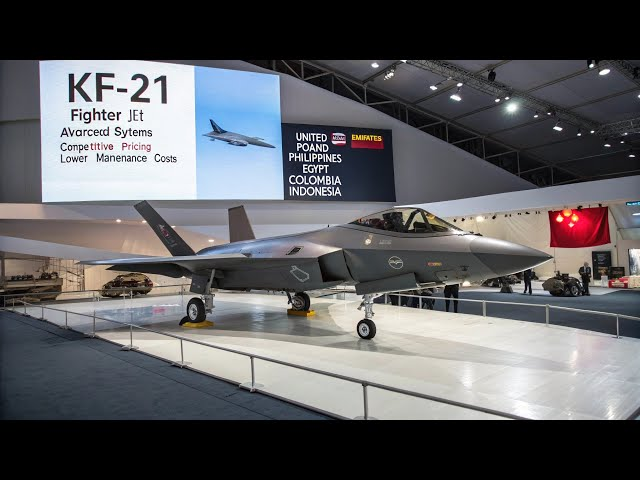
The KF-21 Boramae is a 4.5-generation multirole fighter aircraft designed to bridge the gap between legacy fourth-generation jets and fifth-generation stealth fighters. It combines advanced avionics, modern sensors, and reduced radar cross-section features with proven aerodynamic performance.
Key design goals of the KF-21 include:
- Air superiority missions
- Precision strike capability
- Network-centric warfare compatibility
- Long-term upgrade potential
Indigenous Development with Strategic Partnerships
The KF-21 program is led by Korea Aerospace Industries, with significant support from:
- South Korea’s Defense Acquisition Program Administration (DAPA)
- Domestic defense firms
- International technology partners
While largely indigenous, the program reflects a carefully managed blend of local innovation and external collaboration.
Transition from Prototype to Serial Production
Completion of Developmental Testing
Before entering serial production, the KF-21 completed:
- Ground testing
- Flight envelope expansion
- Radar and avionics validation
- Weapons integration trials
These successful test phases validated the aircraft’s core design and performance benchmarks.
Start of Mass Manufacturing
With testing milestones achieved, KAI has:
- Activated production lines at its Sacheon facilities
- Begun manufacturing airframes for operational units
- Implemented quality assurance and digital manufacturing systems
Serial production ensures consistency, scalability, and readiness for sustained output.
Delivery Timeline: Why 2026 Matters
Initial Operational Capability (IOC)
The year 2026 is critical because it marks the expected Initial Operational Capability for the KF-21 within the ROKAF. This means:
- Aircraft will be combat-ready
- Pilots and maintenance crews fully trained
- Operational squadrons activated
Replacement of Aging Fighter Fleets
The KF-21 is intended to gradually replace:
- F-4 Phantom II aircraft
- Older F-5 fighter jets
These legacy platforms are reaching the end of their service lives, making timely KF-21 deliveries essential for maintaining air defense readiness.
Key Capabilities of the KF-21 Fighter
Advanced Avionics and Sensors
The KF-21 features:
- Active Electronically Scanned Array (AESA) radar
- Integrated electronic warfare systems
- Infrared search and track (IRST)
- Modern cockpit with digital displays
These systems enable superior situational awareness and target engagement.
Reduced Radar Signature
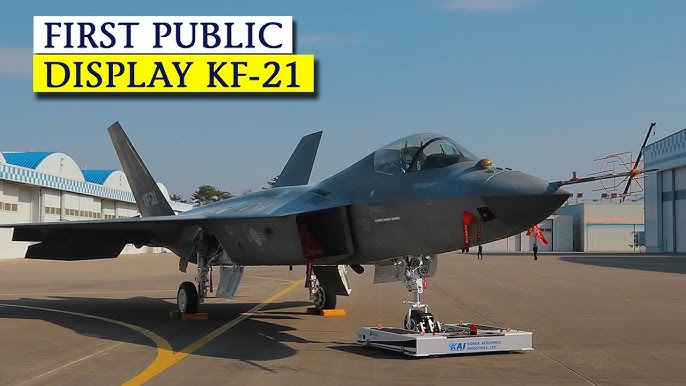
Although not a full stealth aircraft, the KF-21 incorporates:
- Radar cross-section reduction techniques
- Internal weapons compatibility in future upgrades
- Optimized airframe shaping
This enhances survivability in contested airspace.
Multirole Weapons Integration
The KF-21 is designed to carry:
- Air-to-air missiles
- Precision-guided munitions
- Stand-off weapons
- Indigenous and NATO-standard ordnance
This flexibility allows the aircraft to perform multiple mission types.
Impact on the South Korean Air Force
Strengthening National Air Defense
With KF-21 deployment, the ROKAF gains:
- Increased sortie generation capability
- Enhanced deterrence against regional threats
- Improved interoperability with allied forces
The fighter significantly boosts South Korea’s defensive posture.
Operational Independence
Domestic production reduces reliance on foreign suppliers for:
- Aircraft availability
- Maintenance schedules
- Upgrade pathways
This independence is strategically vital during regional crises.
Economic and Industrial Significance
Boost to South Korea’s Aerospace Industry
The KF-21 program supports:
- Thousands of high-skilled jobs
- Growth of domestic aerospace suppliers
- Advanced manufacturing technologies
It strengthens South Korea’s position as a global defense manufacturer.
Export Potential
With serial production underway, the KF-21 becomes:
- A viable export fighter for allied nations
- A cost-effective alternative to fifth-generation jets
- A platform with long-term modernization potential
Export success could further expand production beyond domestic needs.
Training and Infrastructure Preparations
Pilot and Crew Training Programs
Ahead of 2026 deliveries:
- ROKAF pilots undergo simulator and flight training
- Maintenance personnel receive specialized instruction
- Operational doctrines are being updated
This ensures a smooth transition into service.
Base and Logistics Readiness
Air bases are being prepared with:
- Dedicated maintenance facilities
- Spare parts supply chains
- Secure data and mission systems
Infrastructure readiness is critical for operational success.
Comparison with Regional Fighter Programs
Positioning in Asia-Pacific Air Power
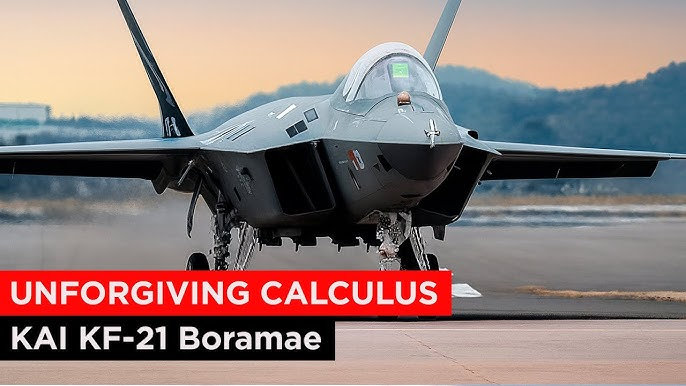
The KF-21 positions South Korea alongside:
- Japan’s advanced fighter initiatives
- China’s growing indigenous aircraft programs
- Regional air force modernization efforts
It ensures South Korea remains competitive in the evolving air power landscape.
Complementing Fifth-Generation Fighters
Rather than replacing stealth fighters, the KF-21:
- Complements F-35 aircraft
- Handles missions where stealth is not essential
- Frees advanced assets for high-risk operations
This balanced force structure improves efficiency.
Challenges and Risk Management
Production Scaling Risks
Key challenges include:
- Supply chain reliability
- Cost control
- Maintaining production quality
KAI has implemented phased production to mitigate these risks.
Long-Term Upgrade Commitments
The KF-21’s success depends on:
- Continuous software updates
- Future weapons integration
- Sensor and stealth enhancements
Planning for upgrades ensures the platform remains relevant for decades.
Strategic Implications for National Security
Deterrence and Regional Stability
The KF-21 enhances:
- Deterrence through credible air power
- Rapid response capabilities
- Strategic autonomy
It contributes to regional stability by strengthening South Korea’s defensive capacity.
Alliance Interoperability
Designed to operate alongside allied forces, the KF-21 supports:
- Joint exercises
- Shared operational doctrines
- Coalition missions
This reinforces South Korea’s defense partnerships.
Looking Ahead: The Future of the KF-21 Program
Full Fleet Deployment Plans
Over time, South Korea plans:
- Multiple operational squadrons
- Incremental capability upgrades
- Potential naval or export variants
The program is designed for long-term expansion.
A Symbol of Technological Sovereignty
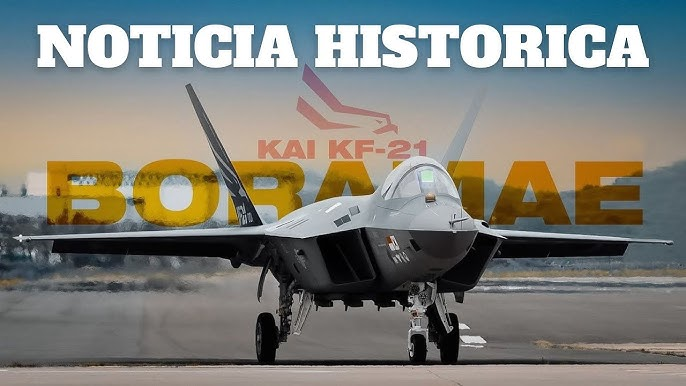
The KF-21 is more than a fighter jet—it symbolizes:
- National technological maturity
- Defense self-reliance
- Industrial innovation
Its success could shape South Korea’s defense strategy for generations.
Conclusion: 2026 Marks a Turning Point for South Korean Air Power
As Korea Aerospace Industries advances serial production of the KF-21, South Korea stands on the brink of a new chapter in military aviation. With deliveries to the South Korean Air Force scheduled for 2026, the country is transitioning from development to deployment of a homegrown, next-generation fighter.
The KF-21 Boramae strengthens national security, boosts industrial capacity, and elevates South Korea’s position in the global defense landscape. As the first production aircraft roll off the assembly line, 2026 will be remembered as the year South Korea firmly established itself as a leading aerospace power.
What is the KF-21 Boramae fighter jet?
The KF-21 Boramae is a 4.5-generation multirole fighter aircraft developed by Korea Aerospace Industries (KAI) to modernize the South Korean Air Force and replace aging fighter fleets.
When will the KF-21 be delivered to the South Korean Air Force?
The first operational KF-21 fighters are scheduled for delivery in 2026, marking the aircraft’s Initial Operational Capability (IOC).
Who is manufacturing the KF-21?
The KF-21 is manufactured by Korea Aerospace Industries (KAI), with support from South Korea’s Defense Acquisition Program Administration (DAPA) and domestic defense partners.