


Next-Era Icon: As the U.S. Army prepares for the complex security challenges of the mid-21st century, it is making a decisive move to modernize the UH-60M Black Hawk helicopter with a long-term vision extending to 2050 and beyond. While future vertical lift (FVL) programs promise next-generation platforms, the Army recognizes that the Black Hawk will remain a critical backbone of its aviation fleet for decades.
Table of Contents
The proposed modernization effort reflects a pragmatic approach: upgrade proven systems, integrate advanced technologies, and ensure interoperability with future battle networks, all while maintaining reliability, affordability, and global deployability.
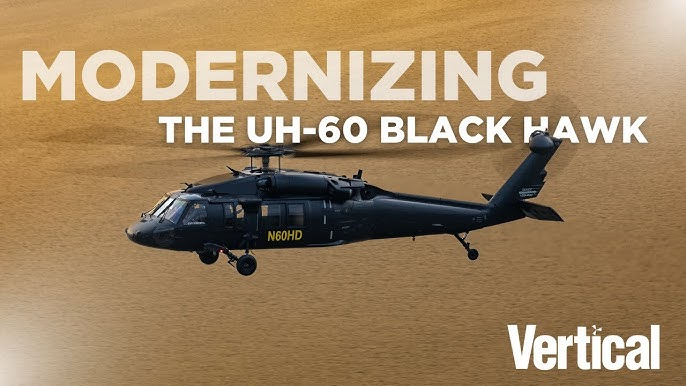
The Enduring Role of the UH-60M Black Hawk
A Proven Workhorse of the U.S. Army
Since its introduction in the late 1970s, the Black Hawk family has served as:
- A troop transport helicopter
- A medical evacuation platform
- A logistics and resupply asset
- A command-and-control aircraft
The UH-60M, the most advanced variant currently in service, represents the pinnacle of decades of operational experience and combat lessons.
Why the Black Hawk Will Remain in Service Until 2050
Despite the development of new platforms, the Black Hawk offers:
- Proven combat survivability
- A mature global supply chain
- Interoperability with allied forces
- High mission availability rates
Replacing it entirely would be costly and operationally risky, making modernization the preferred path.
Why a New Modernization Push Is Necessary
Evolving Threat Environments
Future battlefields will feature:
- Advanced air defenses
- Electronic warfare threats
- Cyber-enabled attacks
- Highly contested airspace
To remain relevant, the UH-60M must adapt to these challenges through upgrades in survivability, sensors, and connectivity.
Lessons From Recent Conflicts
Recent conflicts have highlighted the need for:
- Better situational awareness
- Reduced pilot workload
- Greater resilience against GPS jamming
- Faster integration with unmanned systems
These lessons are shaping the Army’s modernization roadmap.
Key Objectives of the UH-60M Modernization Program
Extending Operational Relevance to 2050
The modernization initiative aims to:
- Extend airframe life
- Improve mission flexibility
- Reduce maintenance burden
- Enable digital integration with future forces
This ensures the Black Hawk remains effective alongside next-generation aircraft.
Bridging the Gap to Future Vertical Lift (FVL)
While the Future Long-Range Assault Aircraft (FLRAA) will eventually replace parts of the fleet, the Black Hawk will:
- Operate alongside FVL platforms
- Support missions unsuitable for new aircraft
- Provide force depth and redundancy
Avionics and Digital Cockpit Upgrades

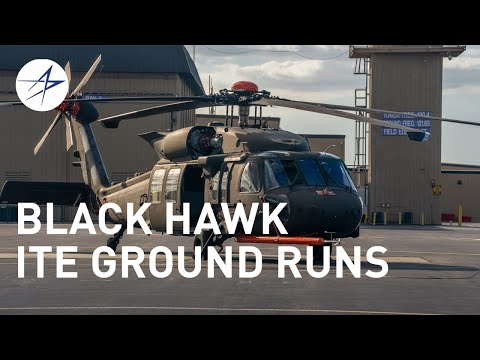
Next-Generation Flight Management Systems
Planned upgrades include:
- Advanced digital flight controls
- Improved navigation displays
- Enhanced terrain awareness systems
These improvements increase safety and reduce pilot fatigue.
Open Systems Architecture
A key priority is adopting open architecture avionics, allowing:
- Faster software updates
- Integration of third-party systems
- Reduced long-term costs
This future-proofs the helicopter against rapid technological change.
Enhanced Survivability and Self-Protection Systems
Countering Modern Air Defense Threats
The upgraded UH-60M will incorporate:
- Improved missile warning systems
- Advanced infrared countermeasures
- Enhanced electronic warfare suites
These systems improve survivability in contested environments.
Ballistic Protection and Structural Improvements
Modernization efforts also focus on:
- Lightweight armor enhancements
- Reinforced critical components
- Improved crashworthiness
These upgrades protect crews without sacrificing performance.
Powertrain and Performance Enhancements
Engine and Transmission Improvements
Future upgrades may include:
- Improved engine efficiency
- Enhanced transmission durability
- Better hot-and-high performance
These enhancements support operations in extreme environments.
Increased Payload and Range
By improving power management and reducing weight, the Army aims to:
- Increase payload capacity
- Extend operational range
- Improve endurance during long missions
Network-Centric Warfare and Connectivity
Integration Into Multi-Domain Operations (MDO)

The modernized UH-60M will function as a networked battlefield node, sharing data with:
- Ground forces
- Unmanned aerial systems
- Command-and-control networks
This supports the Army’s Multi-Domain Operations doctrine.
Secure Communications and Data Links
Upgrades will include:
- Resilient, jam-resistant communications
- Secure data sharing
- Interoperability with joint and allied forces
Human-Machine Teaming and Autonomy
Supporting Crewed-Uncrewed Teaming
The Black Hawk of the future may:
- Control unmanned aerial systems
- Share sensor data with drones
- Operate in coordinated formations
This expands mission effectiveness without increasing crew size.
Automation to Reduce Crew Workload
Advanced automation will:
- Assist navigation and flight control
- Simplify mission management
- Improve decision-making speed
This allows crews to focus on mission execution.
Sustainment, Maintenance, and Cost Efficiency
Reducing Lifecycle Costs
Modernization efforts aim to:
- Improve predictive maintenance
- Reduce downtime
- Extend component service life
These measures lower total ownership costs.
Digital Maintenance and Diagnostics
Future systems may include:
- Health monitoring sensors
- AI-driven diagnostics
- Real-time maintenance data
This increases fleet readiness and reliability.
Interoperability With Allied Forces
A Global Platform With Shared Upgrades
The Black Hawk is operated by dozens of allied nations. Modernization benefits include:
- Shared upgrade paths
- Common training standards
- Interoperable communications
This strengthens coalition operations.
Export and Partner Nation Implications
A modernized UH-60M enhances:
- Foreign military sales potential
- Long-term supportability
- Global interoperability
Challenges Facing the Modernization Program
Balancing Upgrades With Budget Constraints
Key challenges include:
- Managing costs over decades
- Avoiding capability overlap with FVL
- Ensuring upgrades remain relevant
Strategic prioritization will be essential.
Integration Risks and Technical Complexity
Modernizing a mature platform involves:
- Software integration challenges
- Certification requirements
- Managing system compatibility
The Army aims to mitigate these risks through phased upgrades.
Strategic Implications for U.S. Army Aviation
Maintaining Aviation Dominance
The modernization ensures:
- Continued operational readiness
- Rapid global response capability
- Balanced force structure
The Black Hawk remains a cornerstone of Army aviation.
A Flexible Force for an Uncertain Future
By upgrading rather than replacing the UH-60M, the Army gains:
- Flexibility
- Cost efficiency
- Operational resilience
Conclusion: A Future-Proof Black Hawk for 2050 and Beyond
With its sights firmly set on 2050, the U.S. Army’s push to modernize the UH-60M Black Hawk reflects a clear understanding of future warfare realities. Rather than relying solely on new platforms, the Army is leveraging a proven helicopter and transforming it into a digitally connected, survivable, and adaptable combat asset.
This modernization ensures that the Black Hawk will continue to fly at the heart of U.S. Army operations—reliable, lethal, and ready—well into the middle of the 21st century.
Why is the U.S. Army modernizing the UH-60M Black Hawk?
The U.S. Army is modernizing the UH-60M to extend its operational life to 2050 and beyond, improve survivability, integrate digital technologies, and ensure relevance against future battlefield threats while new aircraft are phased in.
What upgrades are planned for the UH-60M Black Hawk?
Planned upgrades include:
Advanced avionics and digital cockpit systems
Improved electronic warfare and self-protection suites
Enhanced communications and networking capabilities
Powertrain and performance improvements
Reduced maintenance and lifecycle costs
Will the Black Hawk be replaced by Future Vertical Lift aircraft?
No. While Future Vertical Lift (FVL) platforms will gradually enter service, the UH-60M will operate alongside them, providing force depth and supporting missions where proven reliability is essential.